
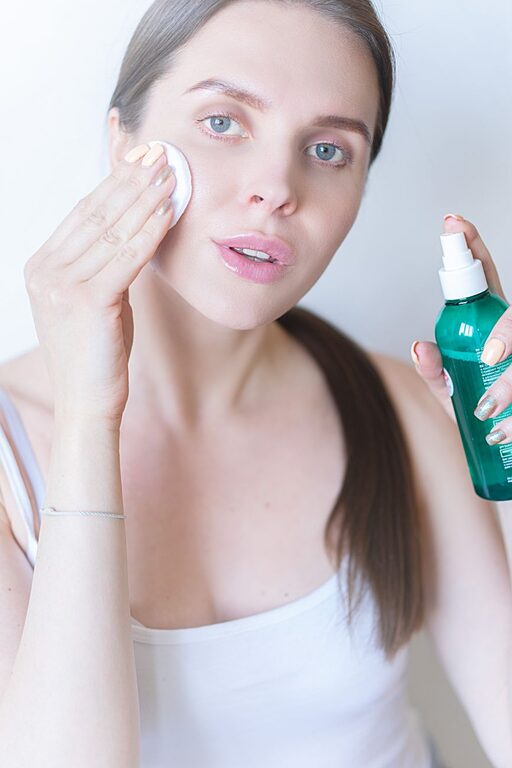
Starting a skincare routine can feel overwhelming with so many products and advice out there. However, building a simple, effective skincare routine doesn’t have to be complicated. Whether you’re new to skincare or looking to get back to basics, this guide will help you understand the essential steps to care for your skin every day.
Why a Skincare Routine Matters
Your skin is the body’s largest organ and acts as a barrier to protect you from environmental factors such as pollution, sun exposure, and bacteria. A consistent skincare routine helps maintain skin health, prevent common issues like dryness and acne, and can give you a radiant complexion.
Step 1: Identify Your Skin Type
Before starting a routine, it’s helpful to know your skin type:
– Normal: Balanced, not too oily or dry.
– Dry: Feels tight, flaky, or rough.
– Oily: Shiny, prone to acne or enlarged pores.
– Combination: Oily in some areas (like the T-zone) and dry in others.
– Sensitive: Easily irritated or prone to redness.
Knowing your skin type will guide you in choosing suitable products.
Step 2: The Basic Skincare Routine Steps
A basic skincare routine includes three main steps: cleansing, moisturizing, and sun protection.
1. Cleansing
Purpose: Removes dirt, oil, makeup, and impurities from your skin.
– Use a gentle cleanser suited for your skin type.
– Wash your face twice daily — once in the morning and once at night.
– Avoid harsh soaps that can strip natural oils and cause dryness.
– Use lukewarm water and a clean washcloth or your hands to apply cleanser.
2. Moisturizing
Purpose: Hydrates the skin and maintains the skin barrier.
– Choose a moisturizer based on your skin type: lightweight lotions for oily skin, richer creams for dry skin.
– Apply moisturizer after cleansing, while your skin is still slightly damp, to lock in moisture.
– Don’t skip this step, even if your skin is oily — there are non-comedogenic (won’t clog pores) options available.
3. Sun Protection
Purpose: Protects skin from harmful UV rays that cause premature aging and skin damage.
– Use a broad-spectrum sunscreen with at least SPF 30 every morning.
– Apply sunscreen as the last step in your daytime skincare routine, even on cloudy days.
– Reapply sunscreen every two hours if you are outdoors.
Optional Steps to Enhance Your Routine
Once you’re comfortable with the basics, you can add other steps based on your skin’s needs.
Exfoliation
– Helps remove dead skin cells.
– Use a gentle exfoliant 1-2 times a week.
– Avoid over-exfoliating, which can irritate skin.
Serums or Treatments
– Target specific concerns like acne, dark spots, or fine lines.
– Apply after cleansing and before moisturizing.
Eye Cream
– Hydrates and addresses issues like puffiness or dark circles.
– Use a small amount around the eye area after moisturizing.
Tips for Success with Your Skincare Routine
– Be consistent: Skincare takes time; results usually appear after several weeks.
– Patch test new products: Apply a small amount on your inner arm to check for reactions.
– Avoid harsh ingredients: Ingredients like alcohol or fragrances can irritate sensitive skin.
– Stay hydrated and eat well: Healthy skin also benefits from a balanced diet and enough water.
– Get enough sleep: Rest supports skin repair and renewal.
Common Myths About Skincare
– More products equal better skin: Not always; a simple routine is often more effective.
– You don’t need sunscreen indoors: UV rays can penetrate windows; sunscreen is still recommended.
– Oily skin doesn’t need moisturizer: Moisturizing helps balance your skin and prevent excess oil.
Conclusion
Starting a basic skincare routine doesn’t have to be complicated or expensive. Focus on cleansing, moisturizing, and protecting your skin from the sun daily. As you learn more about your skin, you can introduce additional steps tailored to your needs. Remember, the key is consistency and choosing products that suit your skin type. With patience, your skin will thank you with a healthy, glowing appearance.
—
Remember, skincare is personal, so feel free to adjust this routine to what feels best for you!
About the Author