
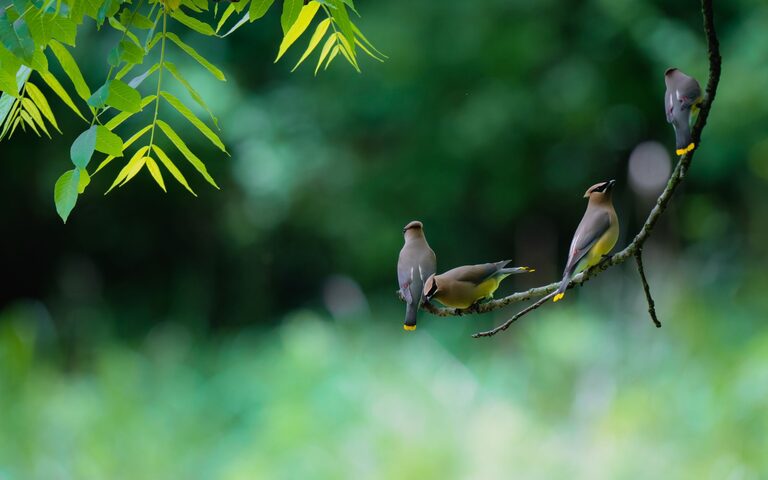
Birdwatching is a rewarding hobby that anyone can enjoy, no matter where they live. Your backyard can become a prime spot to observe a variety of birds, offering a peaceful way to connect with nature and learn about local wildlife. If you’re new to birdwatching, this guide will help get you started with simple, practical tips.
Why Start Backyard Birdwatching?
Birdwatching is accessible and relaxing. It requires minimal equipment and can be done at your own pace. Watching birds in your backyard allows you to:
– Appreciate local wildlife up close
– Learn about different bird species
– Enjoy time outdoors and reduce stress
– Inspire curiosity and respect for nature
Setting Up Your Backyard for Birdwatching
1. Create a Bird-Friendly Environment
Birds have basic needs: food, water, shelter, and space. Making your yard appealing to them will increase your chances of seeing a variety of species.
– Provide Food: Use bird feeders filled with seeds, suet, or nectar depending on the birds common in your area. Black-oil sunflower seeds and mixed seed blends attract many species.
– Offer Water: Install a birdbath or shallow water dish. Change the water regularly to keep it clean.
– Add Shelter: Plant native shrubs, trees, or install birdhouses to offer protection and nesting spots.
– Leave Natural Elements: Piles of leaves, logs, and native plants provide insects and habitat birds need.
2. Choose the Right Feeders and Feed
Different birds prefer different feeders and foods. Here are common types to consider:
– Tube Feeders: Great for small songbirds like finches and chickadees.
– Platform Feeders: Attract larger birds like cardinals and jays.
– Suet Feeders: Ideal for woodpeckers and nuthatches.
– Hummingbird Feeders: Filled with sugar water to attract hummingbirds.
Experiment with feeders and foods to see what works best in your yard.
Essential Equipment for Beginners
You don’t need much to start birdwatching, but a few tools can enhance your experience.
– Binoculars: A lightweight pair of binoculars helps you see birds clearly from a distance.
– Field Guide or App: A guidebook or mobile app for identifying birds is invaluable.
– Notebook: Jotting down observations can deepen your connection and track visits.
– Camera (Optional): Capture photos to document and share your finds.
Tips for Observing Birds
1. Be Patient and Quiet
Birds are easily startled. Move slowly, speak softly, and avoid sudden movements to encourage birds to approach.
2. Watch at Different Times of Day
Early morning and late afternoon are peak times when birds are most active, especially during spring and fall migration seasons.
3. Learn Bird Behavior
Understanding how birds feed, fly, and communicate helps you anticipate where to look and what to expect.
4. Keep a Comfortable Spot
Set up a chair or bench near your feeders or bird-friendly plants. Watching from a sheltered or shaded area makes the experience more enjoyable.
Identifying Common Backyard Birds
Start by learning the birds most likely to visit your area. Common backyard species in the U.S. include:
– Northern Cardinal
– American Goldfinch
– Blue Jay
– House Finch
– Mourning Dove
– Chickadee
– Downy Woodpecker
– Ruby-throated Hummingbird
Field guides and birdwatching apps can help you with identification based on size, color, markings, and song.
Keeping a Birdwatching Journal
Recording your sightings can be fun and educational. Note details like:
– Date and time
– Bird species seen or heard
– Number of individuals
– Behavior observed
– Weather conditions
Over time, this journal reveals patterns and makes birdwatching more rewarding.
Respecting Wildlife and the Environment
Always observe birds responsibly. Avoid disturbing nests or feeding birds harmful foods like bread. Keep feeders clean to prevent disease, and opt for native plants that support local ecosystems.
Joining the Birdwatching Community
Consider connecting with local birdwatching clubs or online groups. These communities offer support, resources, and can help deepen your interest.
Final Thoughts
Backyard birdwatching invites you to slow down and appreciate the natural world right outside your door. With a few simple steps and a bit of patience, you can enjoy hours of observing beautiful birds and learning about their behaviors. Start small, stay curious, and watch your backyard come alive with feathered friends. Happy birdwatching!
About the Author