
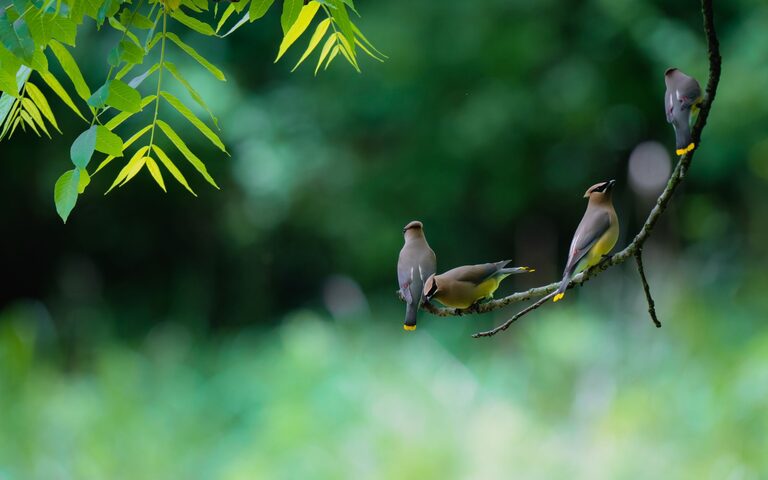
Birdwatching is a rewarding and relaxing hobby that allows you to connect with nature without leaving your backyard. Whether you’re looking to learn more about local wildlife or simply enjoy the beauty of feathered visitors, backyard birdwatching offers a wonderful opportunity for people of all ages. If you’re new to this activity, here are some beginner tips to help you get started and make the most of your birdwatching experience.
Why Choose Backyard Birdwatching?
Watching birds in your own backyard is convenient and low-cost. There’s no need for special permits or long trips, and you can participate at any time that fits your schedule. Plus, it’s a great way to bring nature closer to home, encouraging wildlife-friendly habits and helping local bird populations thrive.
Essential Supplies for Beginners
You don’t need expensive equipment to enjoy backyard birdwatching, but a few basic items can enhance your experience:
– Binoculars: A lightweight pair with moderate magnification (6x to 8x) is perfect for beginners.
– Field guide or app: A bird identification book or a smartphone app can help you learn the names and traits of birds you see.
– Notebook and pen: Jotting down observations helps with remembering details and tracking your sightings over time.
– Bird feeders and water sources: Attract birds by providing food and fresh water in your yard.
Creating a Bird-Friendly Backyard
To encourage birds to visit, consider making your outdoor space more inviting:
1. Provide Food
Different birds prefer different types of food. Some popular options include:
– Black-oil sunflower seeds: Loved by many small songbirds.
– Nyjer (thistle) seed: Attracts finches.
– Suet cakes: Great for woodpeckers and nuthatches.
– Fruit: Orioles and some thrushes enjoy sliced oranges or berries.
Place feeders in quiet areas away from high-traffic zones to keep birds comfortable.
2. Offer Water
Birds need water for drinking and bathing. A shallow birdbath, refreshed regularly, is ideal. Consider adding small rocks for perching.
3. Create Shelter
Birds seek safe spots to rest and nest. Plant native shrubs, trees, or install birdhouses to provide shelter from predators and weather.
4. Avoid Chemicals
Pesticides and herbicides can harm birds and reduce their food sources. Opt for organic gardening methods to maintain a healthy environment.
How to Observe Birds Respectfully
To enjoy birdwatching without disturbing your feathered guests, follow these simple guidelines:
– Stay quiet and move slowly.
– Watch from a window or keep a respectful distance.
– Avoid touching nests or plants that may be in use.
– Use binoculars instead of trying to get too close.
Identifying Birds: Getting to Know Your Backyard Visitors
When you spot a bird, use your field guide or app to note key features:
– Size and shape
– Color patterns
– Beak type
– Behavior (e.g., feeding, flying, singing)
– Habitat preferences
Over time, you’ll recognize common species and may even start to appreciate their unique personalities.
Keeping a Birdwatching Journal
Recording your sightings can deepen your appreciation and improve your identification skills. Note the date, location, bird species, and any interesting behaviors. You can also sketch or photograph the birds. Many birders find journaling a rewarding part of the hobby.
Joining a Birdwatching Community
Connecting with other birdwatchers can provide support and inspiration. Look for local birdwatching clubs, online forums, or social media groups. Participating in community events like bird counts or guided walks can expand your knowledge and introduce you to new friends.
Troubleshooting Common Challenges
Not Seeing Many Birds?
– Try changing the location or type of feeders.
– Provide fresh water and clean feeders regularly.
– Plant more native vegetation for natural food sources.
Birds Aggressively Fighting at Feeders?
– Use multiple feeders spread apart to reduce competition.
– Offer a variety of food types to attract different species.
Difficulty Identifying Birds?
– Focus on learning a few common species at a time.
– Take photos or notes to compare later.
– Use multiple resources like apps, books, and expert advice.
Final Thoughts
Backyard birdwatching is a simple and enjoyable way to connect with nature every day. By creating a welcoming habitat, observing patiently, and learning gradually, you’ll find yourself noticing new details and gaining a deeper appreciation for the birds around you. Remember, the key is to start small, stay curious, and have fun!
Happy birdwatching!
About the Author